Malta: Nomad Lifestyle vs Market Reality
Malta’s sun and social life lure nomads — but land scarcity and new Nomad Permit rules change the buying playbook. Blend lifestyle tests with data, agents, and permit-ready docs.
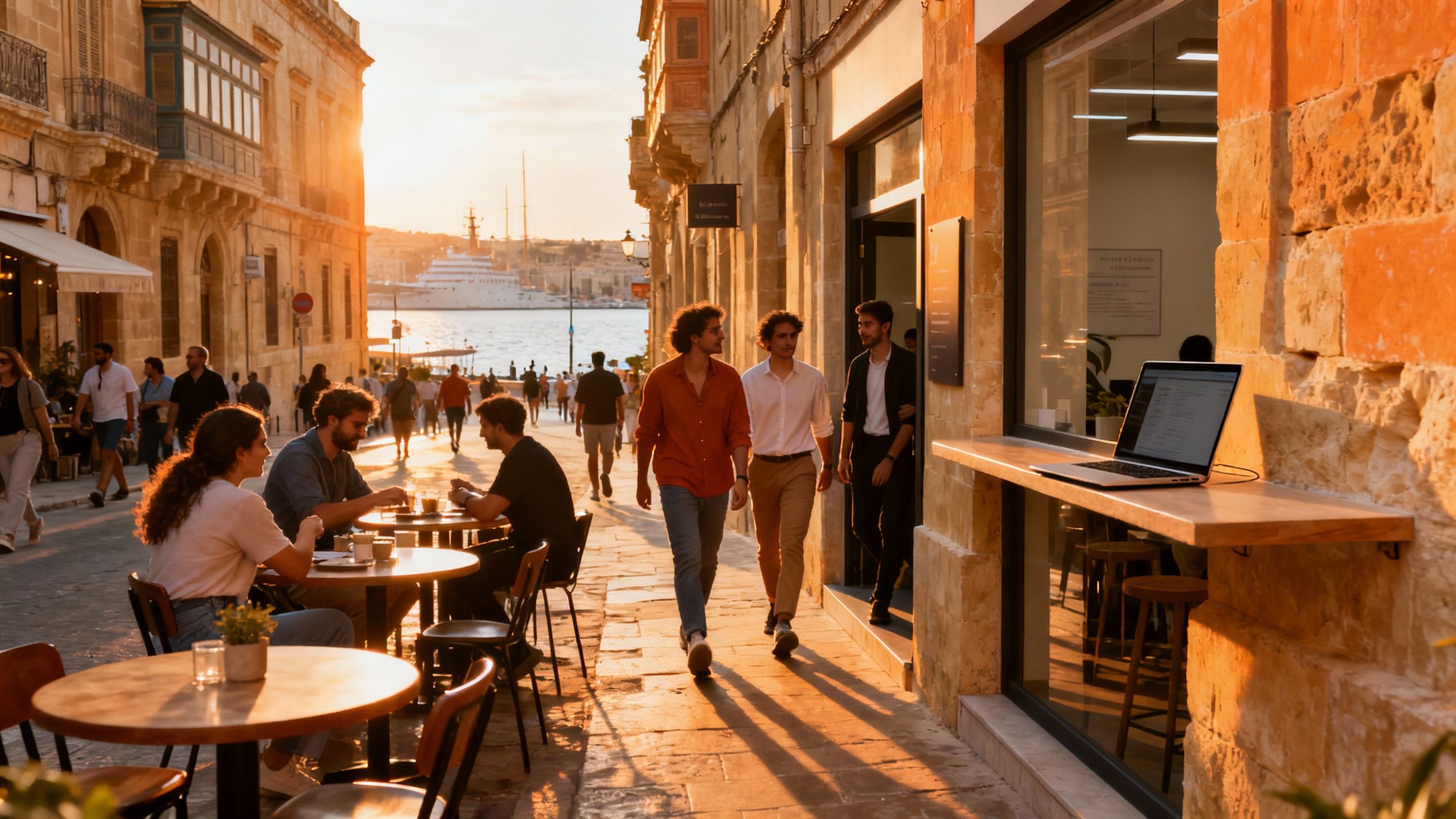
Imagine stepping out of a sun-warmed limestone doorway onto a narrow street in Valletta, espresso in hand, the sea a short walk away and coworking spaces humming nearby. That compact, social, seaside energy is Malta: a place where café meetings blend into sunset swims and workdays can end with fresh fish at Marsaxlokk market — but it’s also an island with a hot, fast-moving property market that changes the rules for nomads and long-term planners alike.
Living Malta: the vibe, neighborhoods, and daily life
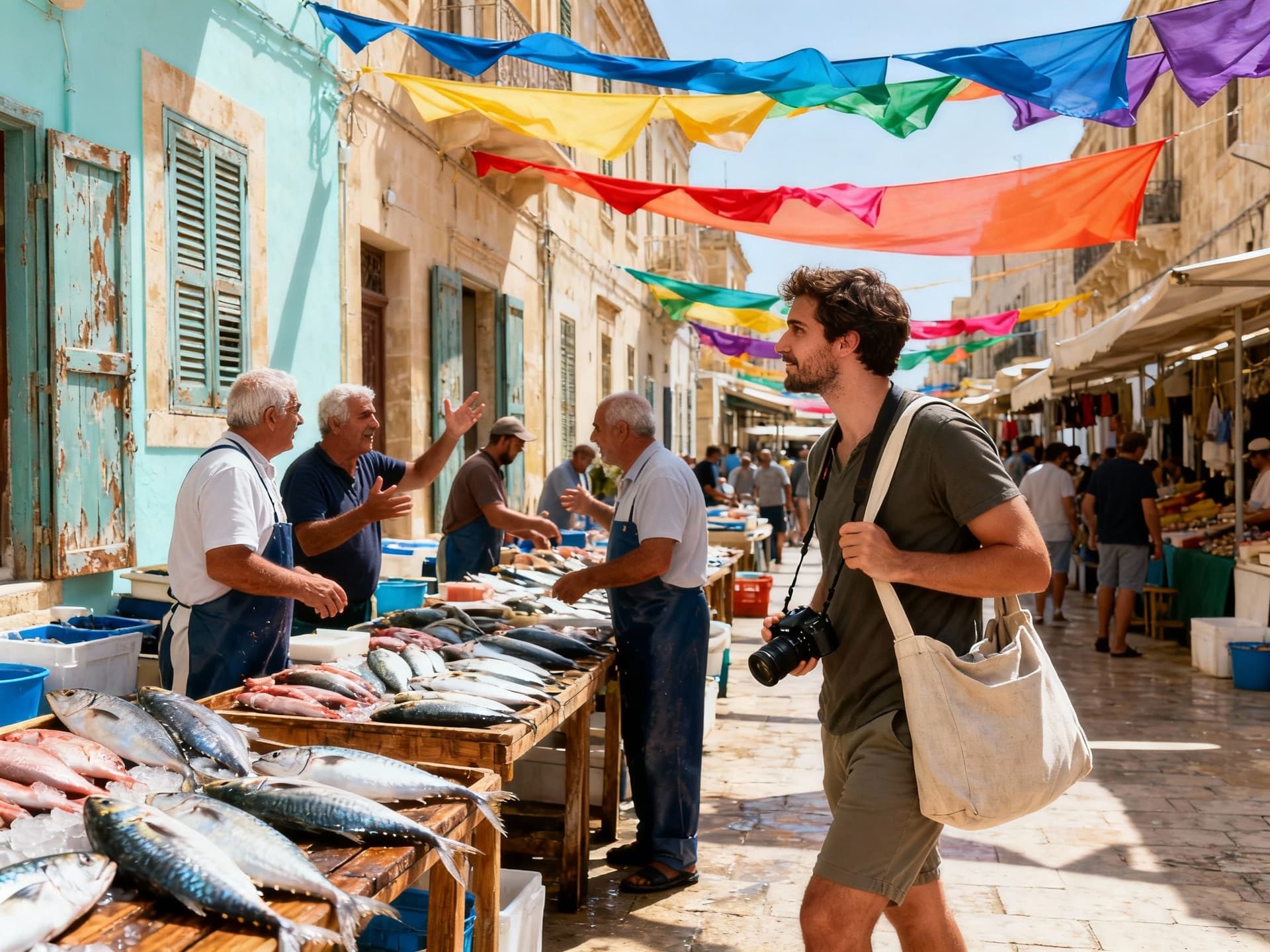
Living here feels lived-in. Streets have a human scale — laundry hangs, neighbors stop to chat, and narrow alleys open to wide sea views. But don’t let the postcard calm fool you: demand is real and prices have surged recently, driven by land scarcity and central-location competition (see recent NSO figures and local analysis). That tension — charming everyday life versus an increasingly expensive housing market — is the backdrop for any buyer or long-stayer.
Valletta, Sliema & St Julian’s — what each offers
Valletta is theatrical: baroque facades, late-night theatre, and quiet mornings by the Grand Harbour. Sliema gives you seaside promenades, cafés with strong Wi‑Fi and compact flats perfect for single nomads. St Julian’s pulses — rooftop bars, flexible coworking, and walkable social life, especially in Paceville and Portomaso. Each spot has a different tempo; pick the tempo you want to live to.
Food, weekends and the off‑beat rituals
Sundays mean fishermen at Marsaxlokk, pastizzi for breakfast, and rigidly social late dinners under warm lights. Seasonal festivals (festa fireworks, village band marches) animate neighborhoods in summer. Winters are mild and quieter — a great time for house hunting because the island softens and you can see how a place lives year-round.
- Lifestyle highlights
- Morning espresso at Caffe Cordina in Valletta; afternoon walks along Sliema’s promenade; weekend swim at Golden Bay; seafood dinner at Marsaxlokk; coworking meetups in St Julian’s; Saturday market scavenging in Mdina.
Making the move: lifestyle-first practical considerations
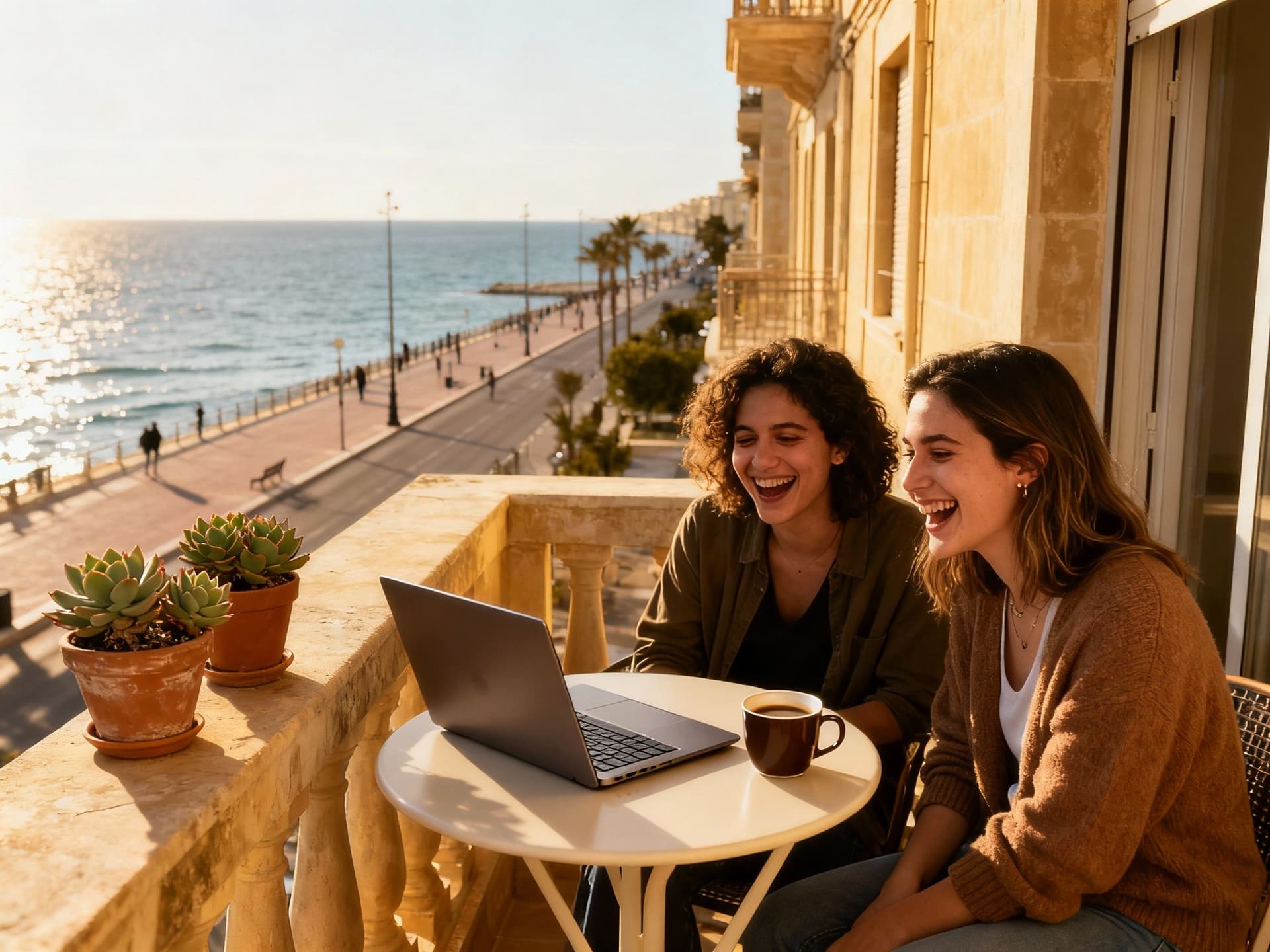
The dream — sunlit terraces, short commutes, lively cafés — quickly meets rules: if you want to stay long-term without EU citizenship, Malta’s Nomad Residence Permit is the obvious path for many remote workers. It lets non‑EU nationals live and work remotely here for renewable periods, but it comes with income thresholds, insurance and accommodation proof. Agencies and tax advisors can help convert lifestyle wants into a compliant application.
Property types that suit nomad life
Apartments dominate Maltese living — compact, well-connected, easier to manage remotely. NSO data shows apartments account for large market share and rising prices, so expect smaller footprints and creative use of terraces and shared amenities. If you want outdoor space or a family layout, look to seaside townhouses or Gozo cottages, but budget for higher per‑square‑metre land value near centres.
Working with local experts who match lifestyle to listings
Local agents know which streets get morning sun, where broadband is reliable, and which landlords welcome short‑term nomads vs long-term residents. Use an agent who understands: fast fibre availability, furnished rentals that double as home offices, and seasonal rhythms that affect rental demand. They’ll shortcut viewings and help secure documentation for a Nomad Permit (rental/purchase proofs are required).
- Steps to align lifestyle + legal requirements
- 1) Book short stays in Valletta, Sliema and Gozo to test daily rhythms. 2) Confirm minimum income & health insurance for the Nomad Residence Permit and gather rental/purchase proofs. 3) Choose properties with dedicated workspace and reliable ISP. 4) Engage a licensed Maltese agent to prepare background checks and application-ready documents.
Insider knowledge: what expats wish they’d known
Quick truth: Malta’s charm is real, and so is competition. Land value has ballooned in the last decade, so what looked cheap five years ago might no longer be. Expats often underestimate the speed of market shifts and overvalue short-term holiday rental returns. If you want the local life, look beyond high‑tourist strips into quieter streets where neighbours stay year-round.
Cultural cues that change where you buy
Maltese social life leans local: church festas, communal meals and small‑business networks. That means a property on a lively festa route may be loud once a week but deeply connected; a quiet backstreet gives peace but fewer spontaneous invites. Learning a few Maltese phrases and joining a local club can turn a street into a community — and that’s often more valuable than a sea view.
Money myth: the Nomad Permit has tax perks but not full tax immunity. There’s usually a 12‑month tax exemption window, followed by a reduced flat rate for authorised remote work in many cases — but the exact treatment depends on your residency status and where your income is sourced. Always check with a Maltese tax advisor before moving funds or signing contracts.
- Red flags local agents will warn you about
- No proof of legal title or deed; unclear service‑charge or maintenance obligations; missing planning permissions for rooftop terraces; advertised broadband speeds that aren’t tested; properties heavily used for short‑term rentals with no long‑term neighbours.
If you spot any of those, pause. Ask for deeds, recent utility bills, and a checklist showing who pays for what. A good local lawyer and an agent who lives the life you want will save you months of headaches.
Looking ahead: seasons, resale and lifestyle sustainability
Seasonality affects more than suntans: summer festivals spike short‑term rental demand and prices, while winter is when serious buyers make offers. NSO indices show steady price growth, so plan for medium-term holding rather than quick flips, unless you’re working with proven short‑term rental management and a clear regulatory plan.
How to future‑proof a Malta purchase
- 1) Prioritise connectivity: confirm fibre or 4G/5G reliability. 2) Choose flexible layouts: a dedicated workspace converts marketability. 3) Check local planning rules for rooftop/terrace use. 4) Buy with long-term community in mind — neighbourhoods that host year-round residents tend to be more resilient.
Small choices — a timer for your hot water, double glazing on a windy street, or a built‑in desk niche — can change daily life more than marble countertops. Think about how you’ll live six months from now, not just the Instagram shot.
Conclusion: Malta is both easy to fall for and serious to buy into. If you crave community, sea access, and a compact, energetic life, you’ll love it. But marry the romance with data: check NSO trends, secure Nomad Permit documents early, and work with agents and tax advisors who speak both lifestyle and law. Then picture yourself — laptop on a terrace, swim after a short workday, an evening passeggiata with new friends — and make the move that fits that picture.
Swedish, relocated to Marbella in 2018 to chase sun and property freedom. Focus on legal navigation and tax for Nordic buyers.