Malta: Nomad Residency, Lifestyle Picks & Purchase Checklist
Malta promises rooftop mornings and sea‑side workdays — pair that lifestyle with Nomad Residence rules, RPPI price trends, and local red flags to buy smart.

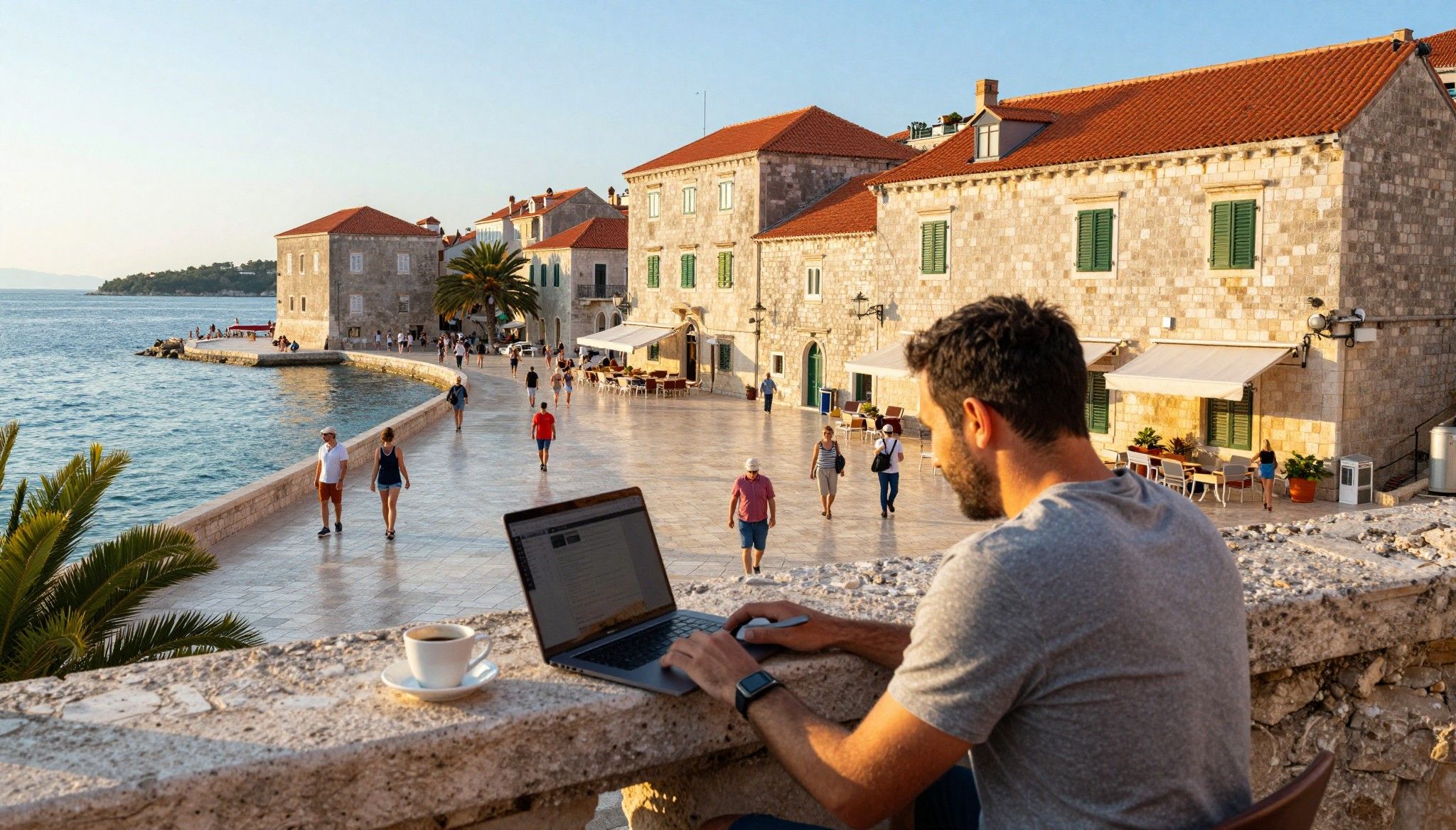
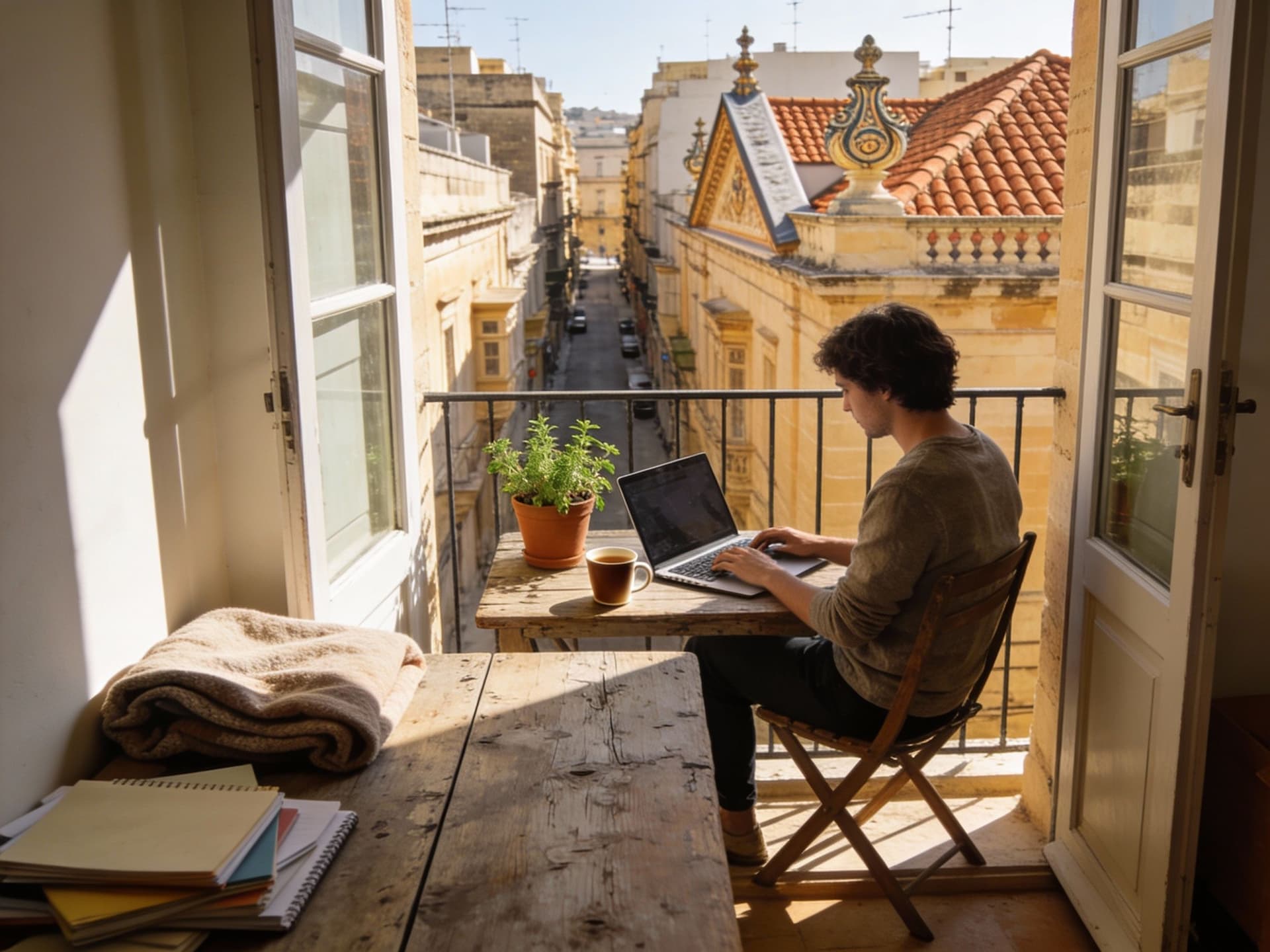
Imagine starting your day with an espresso on a sunlit Valletta balcony, then walking five minutes to a coworking space by the Grand Harbour. Malta fits office and ocean into the same commute — compact, seaside, and stubbornly social. But nostalgia for baroque streets and rooftop sunsets doesn’t pay for inspections, so let’s pair the romance with the real: residency rules, visa routes and market facts that change how you pick a street.
Living the Malta life

Malta is small but magnetic: tight neighborhoods, cafés that double as desks, and a year-round Mediterranean tempo. You’ll hear Maltese in markets, English in offices, and Italian on terraces; nightlife pulses in St Julian’s while Valletta hums with galleries and quiet piazzas. For remote workers, official routes such as the Nomad Residence Permit make living here feasible, but the permit’s terms (income thresholds, proof of accommodation, and background checks) shape whether you rent in Sliema or buy a quiet maisonette inland.
Neighborhood spotlight — Valletta, Sliema, and Marsaxlokk
Valletta is a daily postcard: limestone alleys, rooftop views and neighbourhood trattorias where neighbours still greet each other by name. Sliema blends seaside promenades with coworking cafés and fast fibre — ideal if you want beach evenings and reliable latency. For a quieter, local rhythm try Marsaxlokk: fish markets at dawn, family-run cafés, and terraces where you trade commutes for sea-breeze focus. Each area is a different way of living Malta; pick the vibe you’ll wake up wanting.
Food, weekend rituals and micro‑moments
Weekends are for markets and sea dips: grab ftira from a local bakery, linger at Pjazza Teatru Rjal for an open-air concert, or cycle the promenade toward St Julian’s for sunset drinks. The island’s café culture means you can test neighbourhoods by working in three different spots in one day and feel how each neighborhood breathes. Seasonal festas, dive clubs, and pop-up food nights keep social calendars full — the island’s tiny scale makes forming community fast if you step in.
- Lifestyle highlights
Morning market coffee at Marsaxlokk; afternoon coworking in Msida’s start‑up hubs; evening aperitivo on Sliema promenade; weekend boat trips from the Grand Harbour; a quiet rooftop in Valletta for golden‑hour focus.
Making the move: practical considerations
Lifestyle is the magnet; regulations and prices are the brakes and steering wheel. Malta’s residential property prices have been rising steadily (official RPPI figures show year‑on‑year increases), so timing, neighborhood choice and clarity on visa status all affect whether a purchase is a life upgrade or a costly learning curve. Read the numbers, then match them to how you want to live: historic apartment with a tiny terrace, or a modern flat in a coworking-rich block near Sliema?
Property styles and how you’ll use them
Traditional maisonettes give you stone character and cooling thickness in summer, but they often need retrofitting for fibre and a dedicated workspace. Newer developments in St Julian’s and Swieqi offer elevators, balconies and plug‑and‑play connectivity but come with higher price tags and service charges. If you work odd hours, prioritise double‑glazing and a quiet courtyard over a sea view — because sleep and focus compound productivity more than views do.
Working with local experts who match lifestyle to law
Choose an agency that speaks both lifestyle and paperwork. Good local agents know which streets keep you in walking‑distance cafés, which blocks get reliable fibre, and which properties carry encumbrances that wreck renovation plans. Residency specialists and licensed agents can also expedite Nomad Residence Permit paperwork — from proof of rental or purchase to police conduct certificates — turning dreamy listings into legal stays.
- Steps to match lifestyle with a safe purchase
Visit neighborhoods for at least one week; test coworking, cafés and commute times.
Check fibre availability and noise levels during working hours; ask for recent speed tests.
Confirm visa/residency requirements and show proof of permitted accommodation before committing.
Hire a licensed notary and get a full title search; ask your agent about common red flags like unregistered extensions.
Insider knowledge: expat realities and red flags
A cautionary note: Malta’s high‑profile citizenship‑by‑investment saga changed how regulators and locals view foreign wealth in property and residency schemes. The EU court ruling on the ‘golden passport’ emphasises tighter scrutiny and shows why you should prefer transparent, document‑first routes like the Nomad Residence Permit or standard residence processes. Expect due diligence to be thorough — that’s good for community trust, but it means documentation delays if you’re unprepared.
Cultural integration, language and daily life
English is widely spoken, which flattens the learning curve, but integrating means showing up: attend festas, join a diving club or a coworking meetup, and learn a few Maltese phrases — it opens doors. Shop where locals shop (Pjazza San Ġorġ in Cospicua or the Friday Verde market in Marsa) to feel embedded. Expect bureaucracy to move at its own pace; patience here is a local virtue that pays off.
Long-term view: how life (and price growth) evolves
Official statistics show steady price appreciation over recent years, driven by limited land and high central demand. That means renovating a traditional property can unlock character and relative value, but it also means carrying out cost estimates carefully — construction costs and permits matter. If you cherish social life and walkability, accept smaller floorplates; if you need space and a garden, expect to look farther from the harbour and factor in commute trade‑offs.
- Red flags to watch for
Unregistered extensions or balconies; missing title checks; properties with unclear service charge histories; units advertised without confirming internet/fibre access; agents unwilling to provide recent utility bills.
Conclusion — live the life, but bring the checklist
Malta gives you rooftop mornings, sea-scented commutes and an easy English-speaking entry into European life. Pair that dream with a rigid checklist: test neighbourhoods, confirm residency path (the Nomad Residence Permit has clear criteria), hire local legal help, and verify fibre and titles before signing. When lifestyle and due diligence align, Malta becomes not just a destination, but a practical, joyful home.
Dutch investment strategist guiding buyers to Greece and Spain; practical financing, tax, and portfolio diversification.