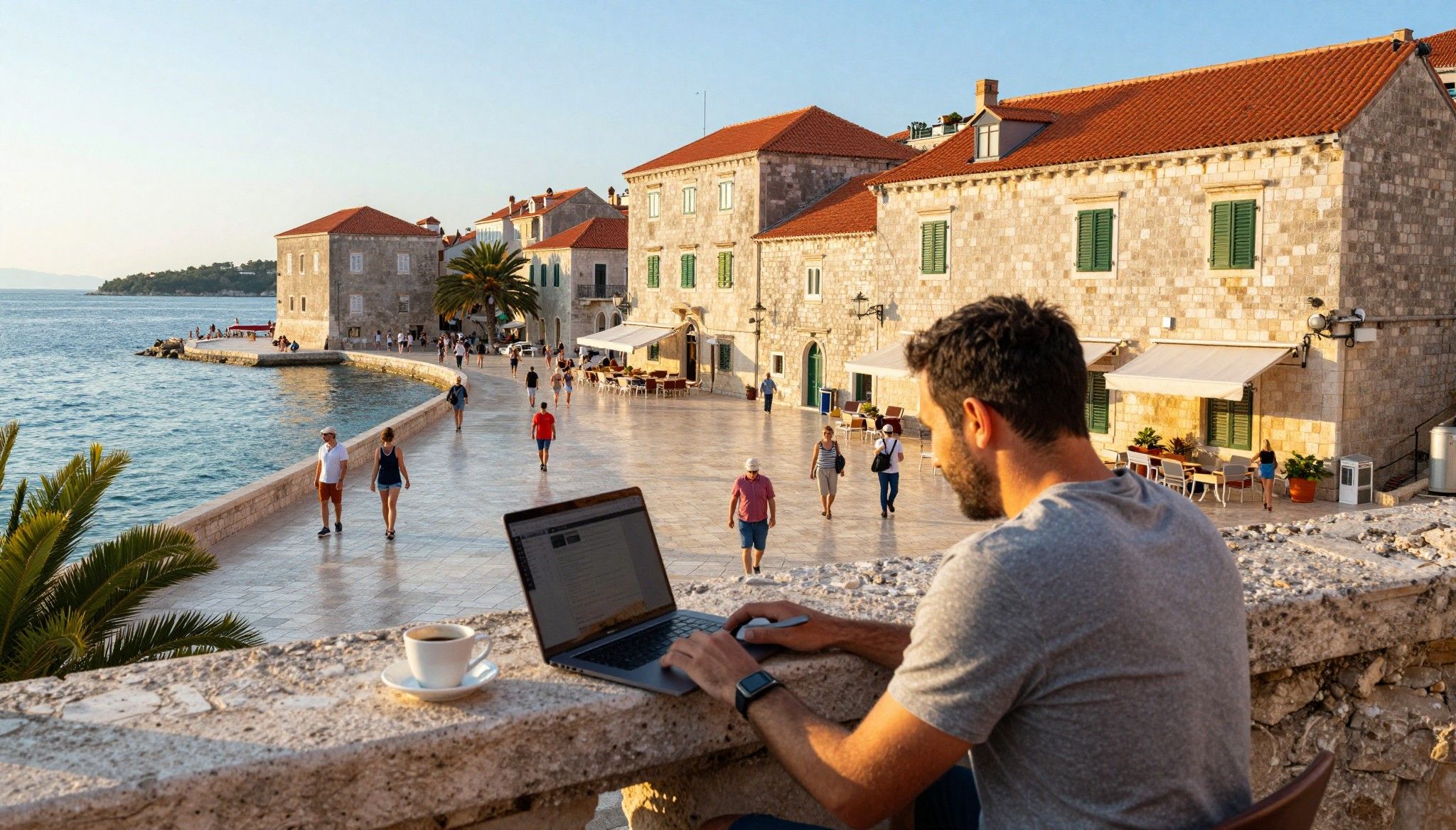
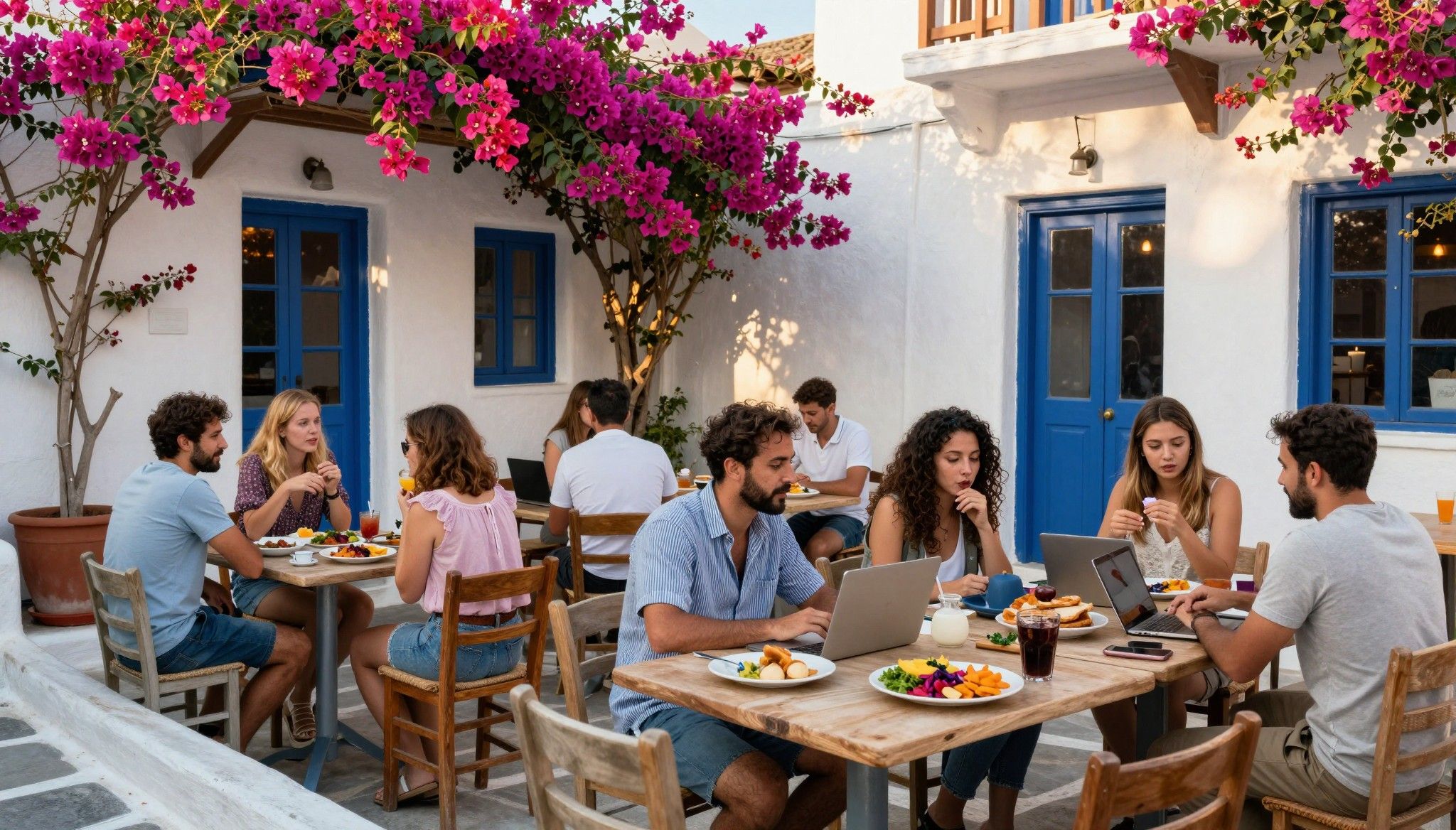
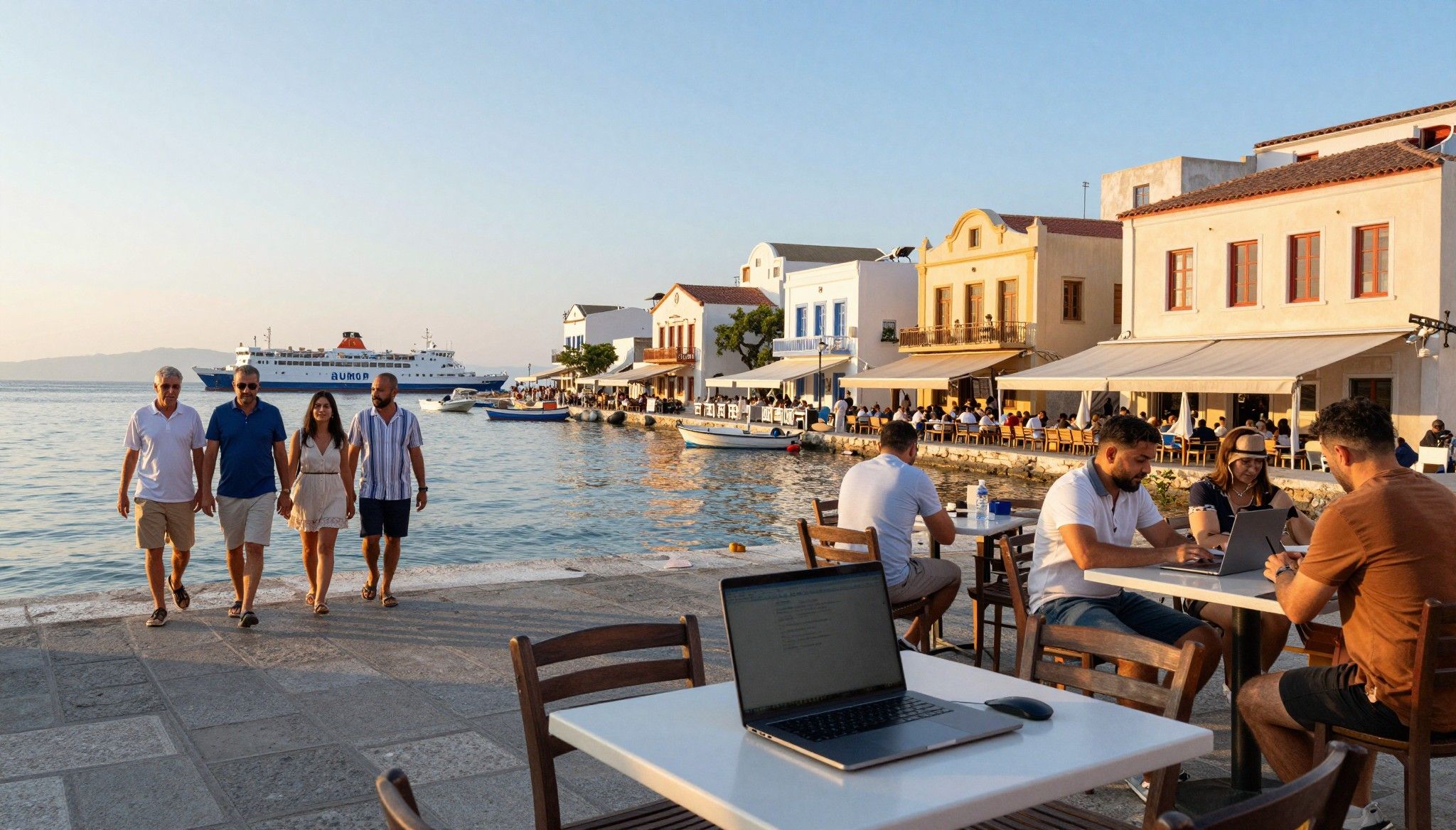
Malta’s Nomad Shift: Lifestyle Wins and Visa Tradeoffs
Malta’s Nomad Residence Permit changed in 2024 — higher income thresholds and extended renewals shift budgets and neighbourhood choices for remote workers.
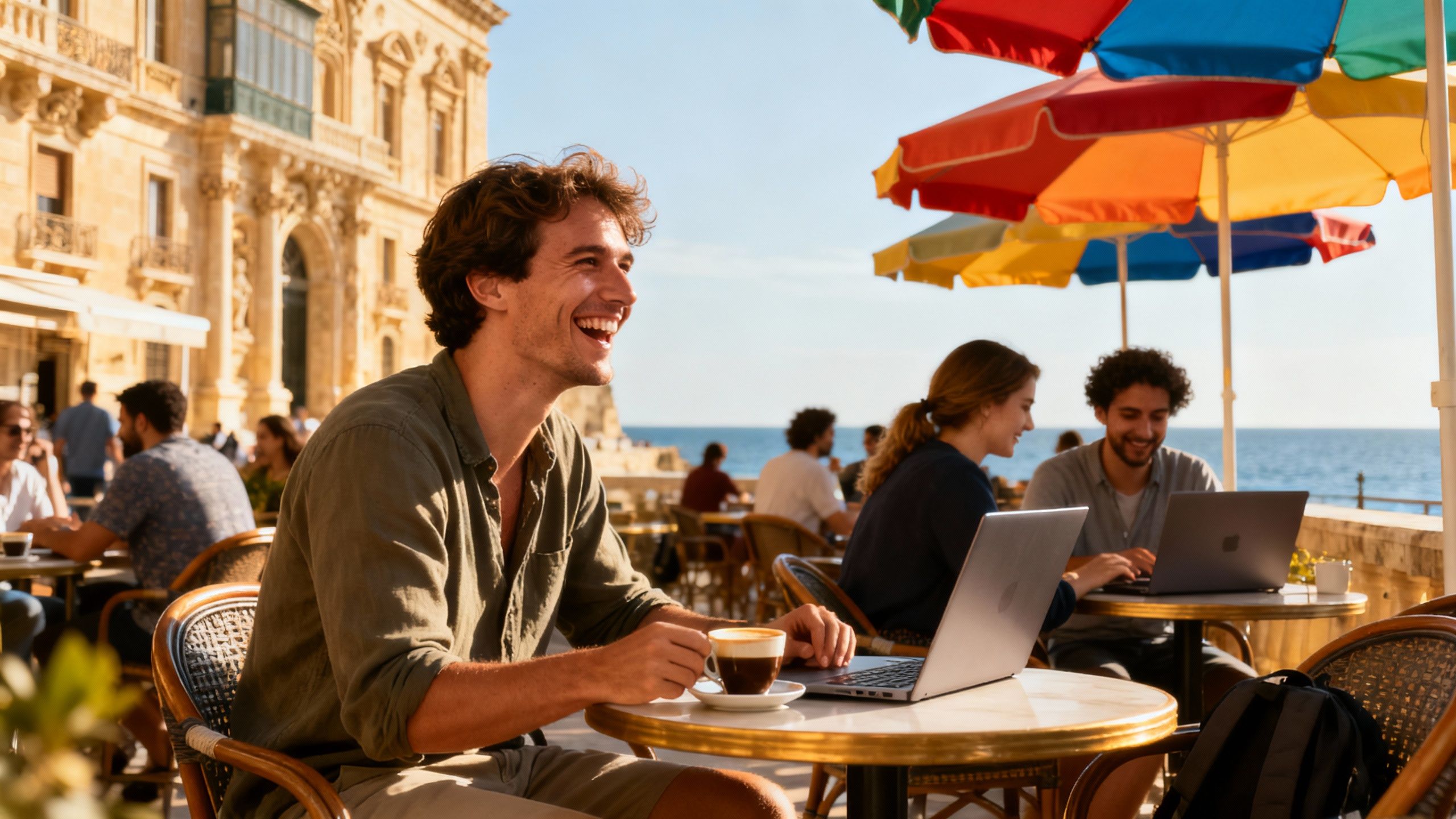
Imagine pausing your workday with an espresso on a sun-warmed Valletta balcony, then wandering to a waterfront coworking spot for a late-afternoon sprint. Malta is compact enough that the sea, history and a buzzing café scene are never far — and its visa routes now shape how many nomads actually move here. According to official announcements and specialist advisors, recent updates to Malta’s Nomad Residence Permit raise the income threshold and extend possible residency — changes that matter if you want to live like a local, not just visit.
Living the Malta lifestyle
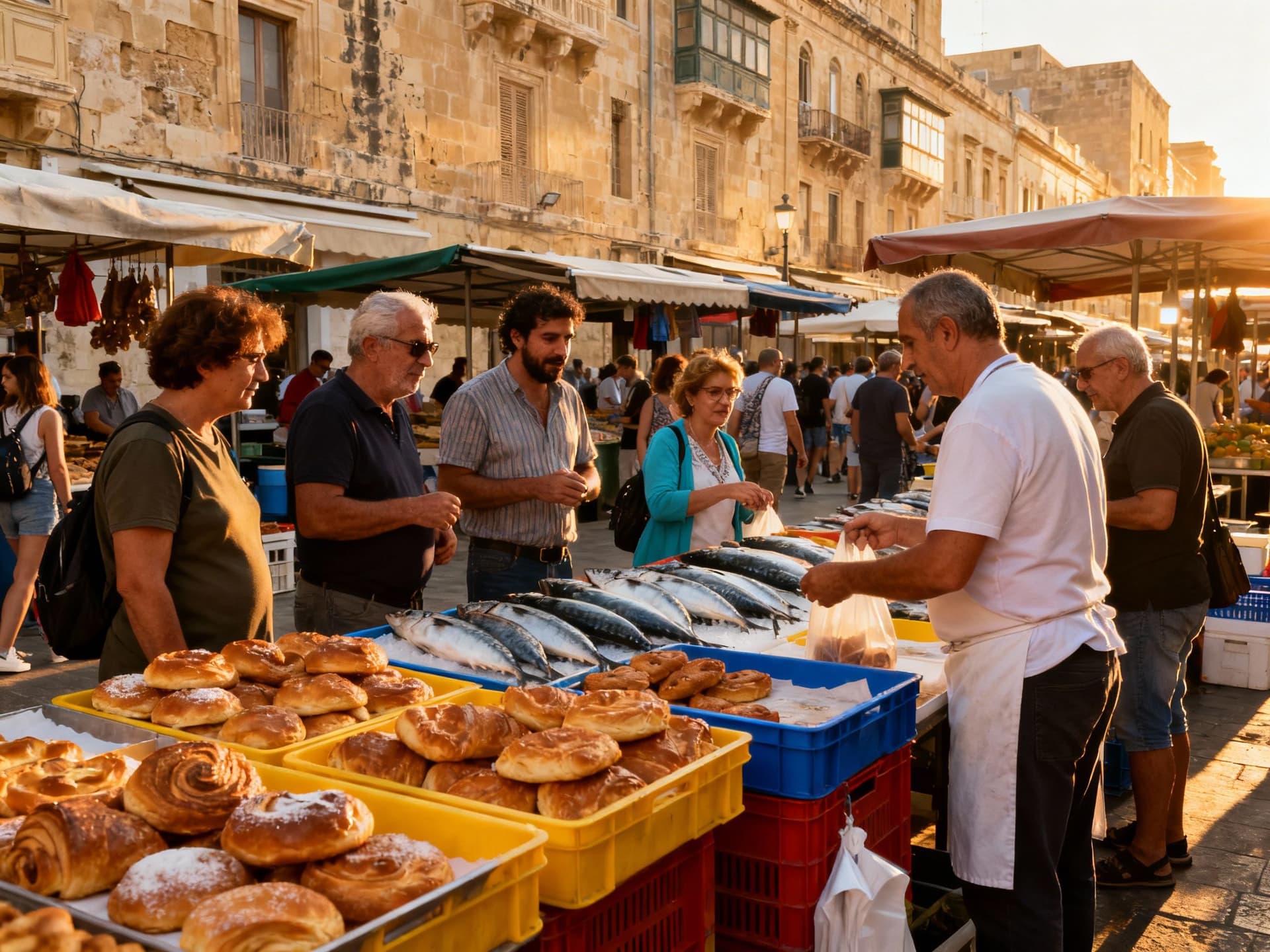
Malta feels like a Mediterranean village and a compact European capital rolled into one. Streets hum with scooters, shutters click open at dawn, and restaurants spill onto lanes after 7pm. English is an official language, so ordering a pastizzi or negotiating a rental is far less awkward than in many other EU countries. The island’s rhythm — morning markets, midday siestas in quieter months, late seaside aperitifs — defines where you’ll want to live and how your property should perform for remote work.
Valletta & the Three Cities: history with a laptop
Picture cobbled streets, baroque façades and cafés where freelancers meet at communal tables. Valletta and the Three Cities (Senglea, Vittoriosa, Cospicua) are irresistible if you love walking to work, dramatic sea views and living inside layers of history. Apartments here often have thick limestone walls and high ceilings — gorgeous, but consider connection points and air-conditioning for summer productivity.
Sliema, St Julian’s & Paceville: coworking, cafés and nightlife
Sliema and St Julian’s deliver the modern nomad package: fast cafés, seafront promenades, reliable fiber in many buildings and several coworking spaces. Paceville is noisy at night — perfect if you host meetups or want nightlife on tap — but less suited to early-morning focus work. Choose a neighborhood by the balance you need between quiet and social life.
- Lifestyle highlights: go-to places and moments
- Morning espresso in Valletta’s Strait Street; sunset swim at St George’s Bay; weekend farmers’ market in Marsaxlokk; rooftop terraces in Sliema for evening work sessions; impromptu language exchanges at community meetups in St Julian’s.
Making the move: practical realities that preserve the vibe
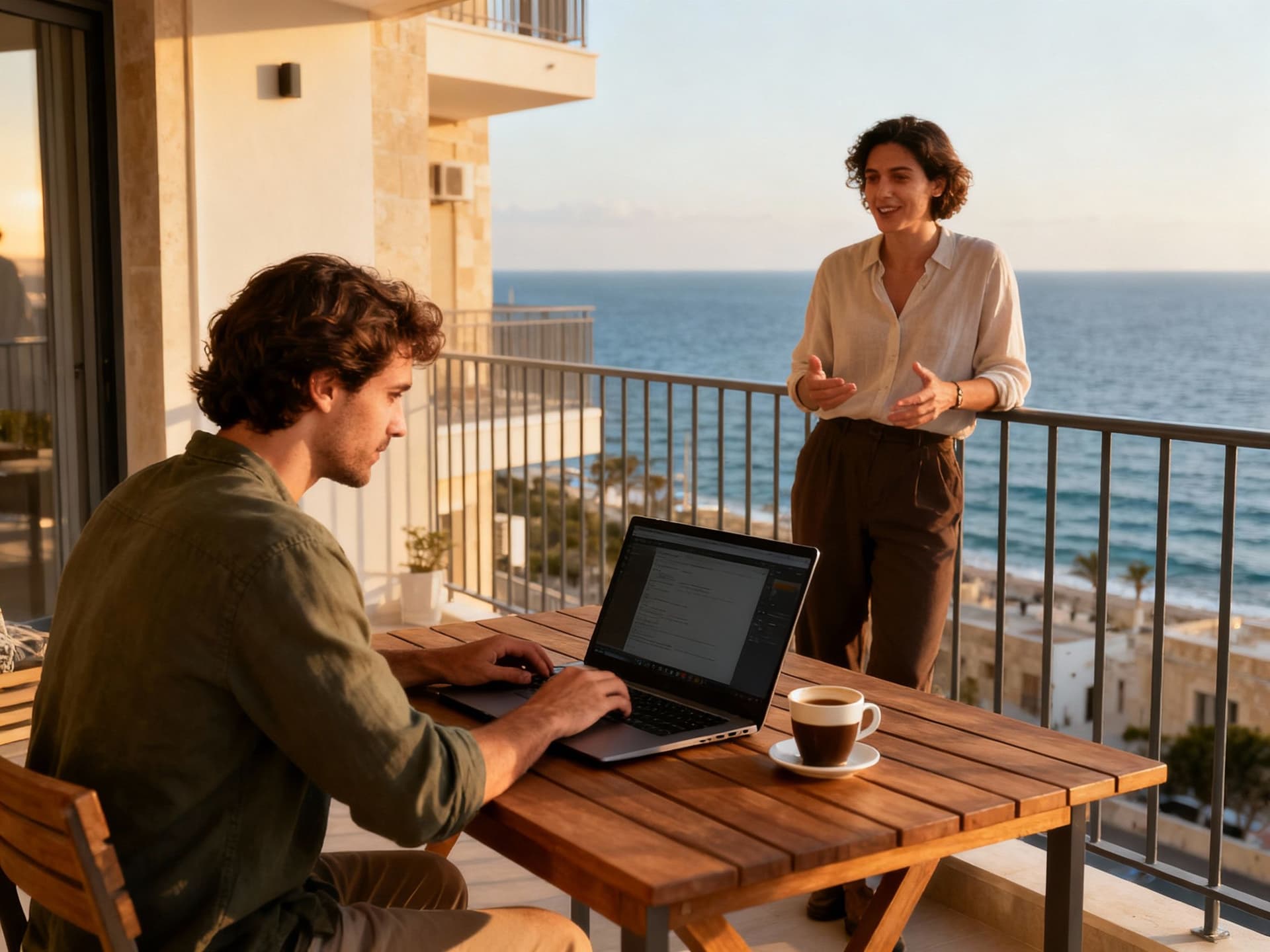
Your dream of seaside workdays meets paperwork. Malta’s Nomad Residence Permit lets non‑EU remote workers live on the island while keeping foreign employment, but since April 2024 new applicants must meet a higher minimum income threshold. That shift changes budgets, the length of stay you can plan for, and how you structure rentals or purchases — so pick an agent who understands both lifestyle fit and evolving visa rules.
Property styles and what they'll mean for remote work
Malta’s housing ranges from centuries‑old townhouses with internal courtyards to modern apartments with sea‑view balconies. If you work across time zones, prioritise quiet courtyards, reliable fibre (ask the agent for exact building providers) and a room that fits a desk and decent natural light. In older stone homes, install secondary glazing and check insulation — comfort equals productivity.
Working with local experts who protect your lifestyle
- 1) Find an agency that actually knows neighbourhood wifi and coworking spots. 2) Insist on a walk‑through at different times of day (noise and light change fast). 3) Ask for recent utility bills and a fibre speed test from the landlord or seller. 4) Confirm residency documentation your visa requires: rental or purchase proof, police conduct certificate and health insurance.
Insider knowledge: what expats wish they'd known
Expats say Malta is easy to fall for — and easy to underestimate. Limited housing stock in popular zones means competition can be fierce during summer; yet off‑season rentals can be calmer and negotiable. Also, administrative timings (police certificates, apostilles, visa appointments) often take longer than expected — start those early if you want a smooth transition.
Cultural integration and everyday social life
Make community by joining local meetups, language cafés, and co‑working events in Sliema or Valletta. Try volunteering at a festa or a Sunday market in Marsaxlokk — these small rituals open doors faster than formal networking. Learning basic Maltese phrases wins smiles, but English will carry you through contracts, healthcare visits and neighbourhood chats.
Long-term lifestyle tradeoffs to weigh
If you plan to stay beyond the nomad permit window, think about long‑term costs: Malta’s property market has seen steady price movement in recent years, in line with broader EU trends. Buying gives stability and a chance to customise for remote work, but requires patient due diligence and a trusted local lawyer. Renting offers flexibility but can mean more frequent searches in peak months.
- Red flags to watch for when looking at Maltese properties
- Missing title deeds or unclear ownership history; absent or misleading fibre/ISP information; unusually low price in a high‑demand micro‑area; crowding/noise not visible in daytime visits; lack of proper ventilation for hot Jul–Sep months.
- 1) Start visa paperwork (police certificate, health insurance) at least 8–10 weeks before arrival. 2) Book building-specific fibre checks and a noise visit at differing times. 3) Use a local notary and lawyer for purchase contracts; get an agency that helps with residency evidence. 4) Keep six months of living costs accessible while waiting for permit approvals.
By the time you’ve signed on a sunlit terrace and set up your work corner, Malta’s compact pleasures become routine: seaside runs before work, lunch at family-run pastizzerias, and evenings at open‑air concerts. If the nomad permit is your entry path, plan around the updated income and document rules, and pair a lifestyle-first wish list with practical checks on connectivity and paperwork. The right local agency will help you protect both the dream and the details — so you can spend less time on red tape and more time on that espresso.
Danish investor and relocation advisor focusing on Portugal and the Algarve; loves coworking culture and expat networks.